
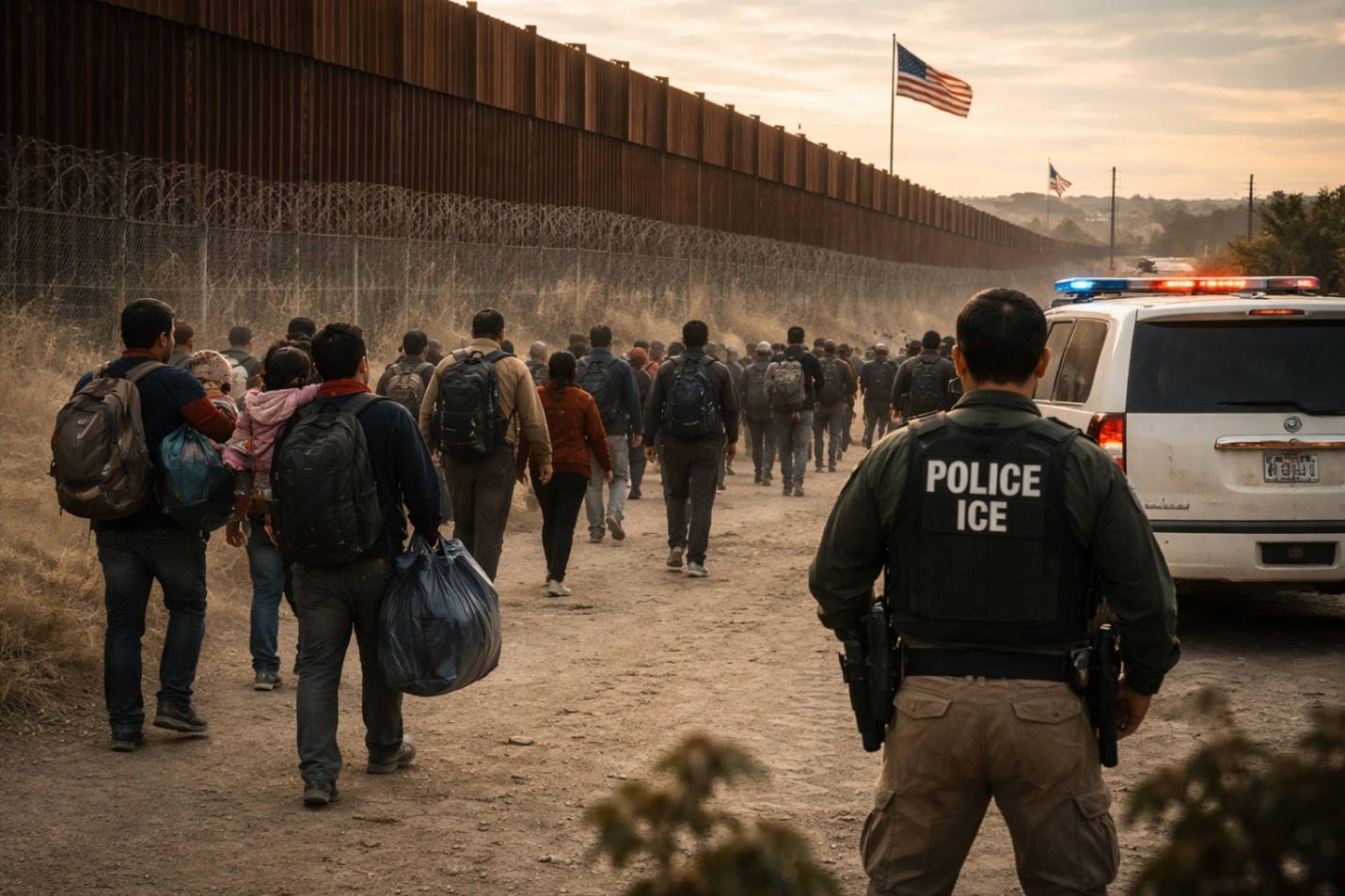
A common-sense look at the difference between immigration and migration, the role of ICE, and why legal reform benefits everyone
Immigration vs. Migration: Understanding the Distinction
Immigration versus migration. The difference is immigrants work toward citizenship; migrants work and go home. I remember back in the 1950s, migrants would come from Mexico to pick potatoes and sugar beets in North Dakota. They would work their way from Texas northward harvesting crops. California has a similar problem. These workers are critical to the agriculture industry. Construction, hospitality and many more industries depend on migrants to survive. Migrants are generally very good workers. We need a way for our Immigration (ICE) administration to provide a legal way for entry and exit from America.
Illegal Entry Is a Misdemeanor Treat It as One
Illegal entry into the United States is a misdemeanor and should be treated as such. Going home and returning is a felony and punishable with deportation. If an illegal alien is working, we need to let them continue working. These workers become migrants and cannot work toward citizenship. The problem is with an incompetent ICE. Congress needs to fund ICE to increase the process for migrants to enter our country.
America’s Labor Shortage and the Unintended Consequences of Policy
With prosperity comes apathy. Americans do not want the jobs migrants perform. America legalized abortion and have killed 65–70 million babies (World War II killed around 70 million people), reducing the employment pool. Another unintended consequence.
Remember, migrants pay Social Security deductions. Social Security has run a deficit since 2010. As a senior I want a sustainable Social Security.
The connection between migrant labor and Social Security solvency is one many politicians ignore. The Purple Revolution’s campaign to secure Medicare and Social Security directly depends on a functioning legal immigration pipeline.
What Immigration Reform Should Look Like
Immigration is a complex and often controversial issue that affects countries around the world, particularly in regions experiencing significant demographic, economic, and political change. The term “immigration problem” refers to the challenges and debates arising from the movement of people across borders, which can impact societies in various ways.
Causes of Immigration: Push and Pull Factors
People migrate for many reasons, commonly categorized as “push” and “pull” factors. Push factors are conditions that drive people away from their home countries, such as war, persecution, poverty, or lack of opportunities. Pull factors are conditions that attract people to a new country, including better economic prospects, safety, political freedom, and the presence of family or community networks.
Challenges Associated with Immigration
- Economic Impact: While immigrants can contribute to economic growth by filling labor shortages and starting businesses, some argue that they may compete with native workers for jobs and resources, potentially depressing wages in certain sectors.
- Social Integration: Integrating new arrivals into the host society can be challenging, especially if there are significant cultural, linguistic, or religious differences. This can sometimes lead to social tensions or misunderstandings.
- Pressure on Public Services: Sudden influxes of immigrants may put pressure on housing, healthcare, education, and other public services, especially if those services are already stretched.
- Security Concerns: Some fear that immigration could be linked to increased crime or security risks, though research on this issue is mixed and often context-specific.
Benefits of Immigration
- Economic Growth: Immigrants often take jobs that are difficult to fill, start businesses, and contribute to the tax base.
- Cultural Diversity: Immigration enriches societies through diverse cultures, languages, foods, and traditions.
- Demographic Renewal: In countries with aging populations, immigrants can help balance demographic shifts and support pension systems by increasing the working-age population.
Policy Responses
Governments respond to immigration challenges in various ways, including setting quotas or limits, tightening border security, reforming visa and asylum processes, and investing in integration programs. The debate continues over the best balance between openness and control, with policies often influenced by public opinion, economic needs, and humanitarian obligations.
Perspectives on Immigration Reform
- Humanitarian View: Advocates emphasize the moral responsibility to help refugees and those fleeing persecution.
- Economic View: Economists debate the net impacts on wages, employment, and public finances.
- National Security View: Some prioritize border control and vetting to address security concerns.
- Integration Focus: Others stress the need for effective integration to ensure social cohesion and address community concerns.
Conclusion
The immigration problem is multifaceted, with no single solution that fits all situations. Addressing it requires a combination of clear policies, public engagement, and international cooperation. By understanding the causes and consequences of immigration and considering the range of perspectives societies can work toward policies that balance economic needs, social harmony, and humanitarian values.
At Purple Revolution Now, we believe immigration policy must be built on facts, economic realities, and human dignity not fear and partisan rhetoric. Explore our full blog series for more reform-focused perspectives.
Frequently Asked Questions
What is the difference between immigration and migration?
Immigrants enter a country with the intent to permanently settle and work toward citizenship. Migrants enter temporarily typically for seasonal labor and return home when their work is done. The US immigration system currently fails to accommodate legal migration effectively, pushing many into undocumented status.
Do undocumented migrants pay Social Security taxes?
Yes. Many undocumented workers pay into Social Security through payroll deductions using Individual Taxpayer Identification Numbers (ITINs) or employers who withhold taxes regardless of status. These workers contribute to a system they typically cannot draw benefits from making them net contributors.
Why does America need migrant workers?
Agriculture, construction, hospitality, and many service industries depend on migrant labor to function. American workers largely do not pursue these roles. Without a functioning legal migration framework, these industries face labor shortages that increase prices and reduce output for all Americans.